


👋 Hey, Sahil here — Welcome back to Venture Curator, where we explore how top investors think, how real founders build, and the strategies shaping tomorrow’s companies.
Engineering-as-Marketing: The growth strategy most startups overlook.
The unit economics Excel sheet template every founder should use.
What founders can learn from Figma hitting $1B ARR
FROM OUR PARTNER MENDLY
🧬 Mendly is fixing the $3.6T+ misdiagnosis problem with AI & DNA, and investors want in -
Mendly is the first virtual-care platform that brings DNA-powered diagnosis into everyday telehealth. Before every doctor’s visit, based on the patient’s symptoms, the patient’s genome is analysed in minutes, a true DNA-first approach.

This could finally end the diagnostic odyssey, where patients spend 5 years, see 17 doctors, and rack up $120,000+ before getting the right diagnosis. It can deliver an 8×–30× savings for self-insured employers.
Built on a patent-pending DNA Hyper-Sharding™ technology, Mendly keeps your genome fully encrypted while enabling a lifetime of instant genetic testing.
VENTURE CURATORS’ FINDING
📬 My favourite finds
Media Posts:
Investor data room superpack: everything you need to build a VC-ready data room (guide/templates) (Link)
Want a SaaS idea that sells? Borrow it from 1-star reviews. (Link)
Microsoft: AI ‘business agents’ will kill SaaS by 2030. (Link)
3 myths about going public that should die (Link)
Prompt for market research with AI. (Link)
Steal this mega prompt to create static ads for your brand with Nano Banana. (Link)
Reports/Articles:
Who’s winning the AI coding race? (Link)
Understanding customers’ demand. (Link)
What’s working in GTM in AI? (Link)
How VC money kills great products? (Link)
The man who could be Apple’s next C.E.O. (Link)
Map: The VCs benefiting from Nvidia’s M&A. (Link)
Why big ideas are built in temperate climates. (Link)
PARTNERSHIP WITH US
🤝 Get your startup in front of over 103,000+ audience.
Our newsletter is read by 103,000+ tech professionals, founders, executives, investors (VCs / Angel Investors) and managers around the world. Get in touch today.
📜 DEEP DIVE
Engineering-as-Marketing: The growth strategy most startups overlook.
Most startups think growth means spending more - on ads, content, or PR. But some of the fastest-growing companies did the opposite. They built something useful instead of something promotional.
Think of a free calculator, tool, or app that solves a small problem for your target users and quietly pulls them into your world.
That’s Engineering-as-Marketing, using your product or engineering skills to build something that markets itself. It turns developer time into distribution.
The idea is simple: help first, sell later.
You give users something valuable before asking for anything in return, earning trust, attention, and organic word-of-mouth.
This concept, popularised by Gabriel Weinberg and Justin Mares in Traction, has quietly powered growth for companies like HubSpot, Clearbit, and many SaaS startups.
As the saying goes: “The best marketing is when you don’t know it’s marketing.” A useful tool doesn’t feel like an ad, yet it builds goodwill, traffic, and brand authority all the same.
Why Engineering-as-Marketing works
1. It’s an underused channel.
Most startups compete in crowded spaces, such as ads, SEO, or social content. But few invest in building small, free tools. That makes this approach less competitive and often far more memorable.
As investor Andrew Chen noted, marketing channels lose effectiveness over time, but new, underutilised ones offer early-mover advantage.
2. It gives value upfront, not a sales pitch.
A well-built tool helps your audience do something, not just read something. That shift from selling to assisting lowers friction and builds genuine trust. Users get value before they even think of becoming customers.
3. It compounds over time.
A side project that ranks on Google or spreads on social keeps generating leads long after launch. Unlike ads that stop when you stop paying, a great tool works 24/7.
Example: HubSpot’s Website Grader, launched in 2006, analysed over 3 million websites and still drove thousands of new leads nearly a decade later. Dharmesh Shah calls such tools “marketing assets with ongoing returns.”
4. It drives virality and SEO naturally.
Free, novel tools get shared by users, blogs, and media. They attract backlinks, improve SEO, and often go viral without paid promotion. A clever twist or perfect timing can turn a simple project into a PR flywheel, exposure that money can’t easily buy.
Real-world examples of Engineering-as-Marketing in action
From SaaS startups to consumer brands, many companies have grown by building free, useful tools that do their marketing for them. Below are standout B2B examples showing how these side projects became repeatable lead machines.
HubSpot -Website Grader
HubSpot’s Website Grader remains one of the most iconic examples of engineering-as-marketing.
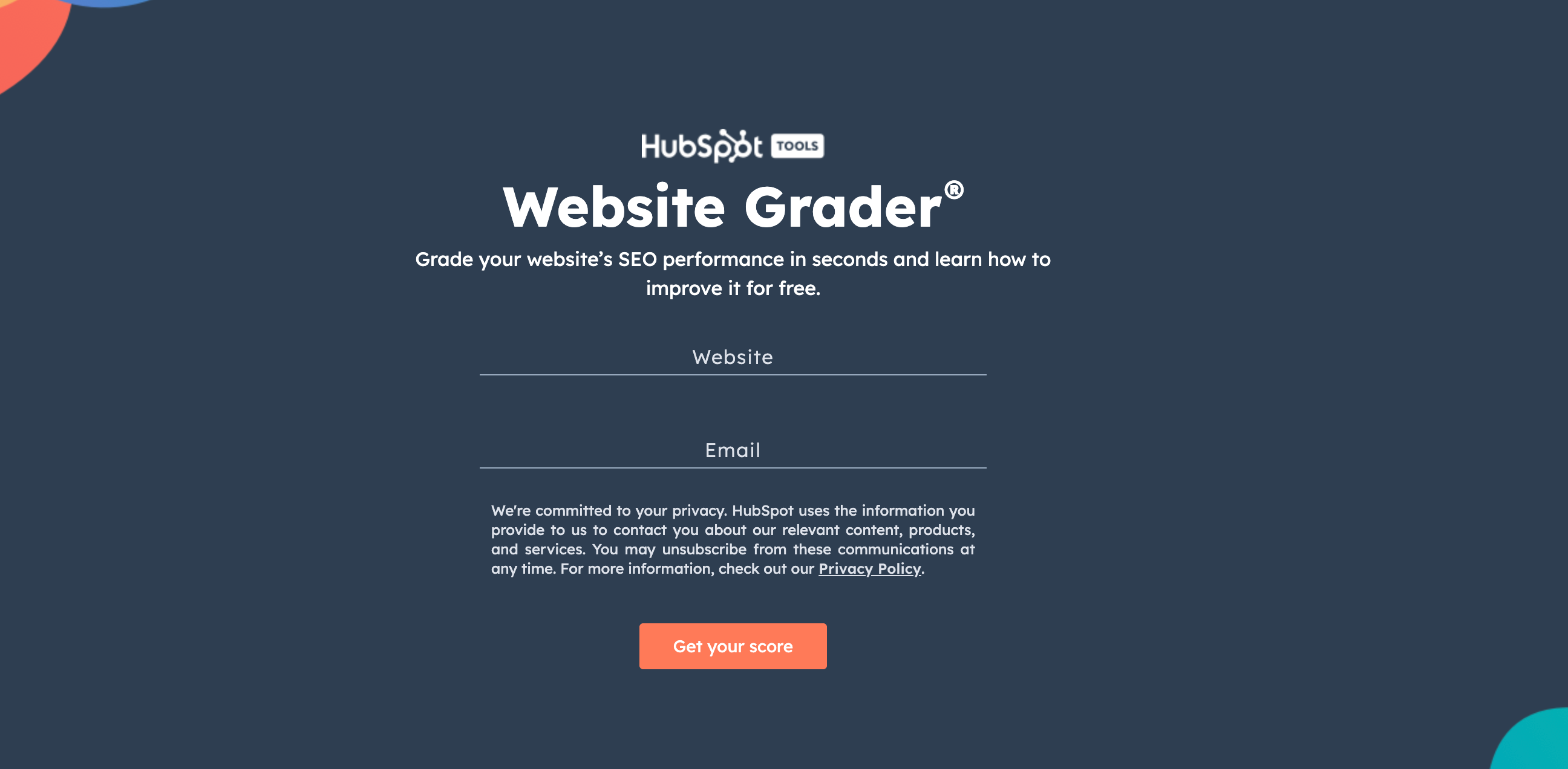
Users could enter any URL to get an instant score on SEO, mobile, and social performance, plus actionable improvement tips.
It went viral in marketing circles: over 3 million websites graded and still generating leads years later.
The tool subtly connected each improvement suggestion to HubSpot’s own paid products, turning a free report into a sales funnel.
Dharmesh Shah calls it a “marketing asset with ongoing returns”, proof that one well-built tool can compound for years.
Shopify - Free business tools suite
Shopify took the concept further by launching dozens of free tools for entrepreneurs:
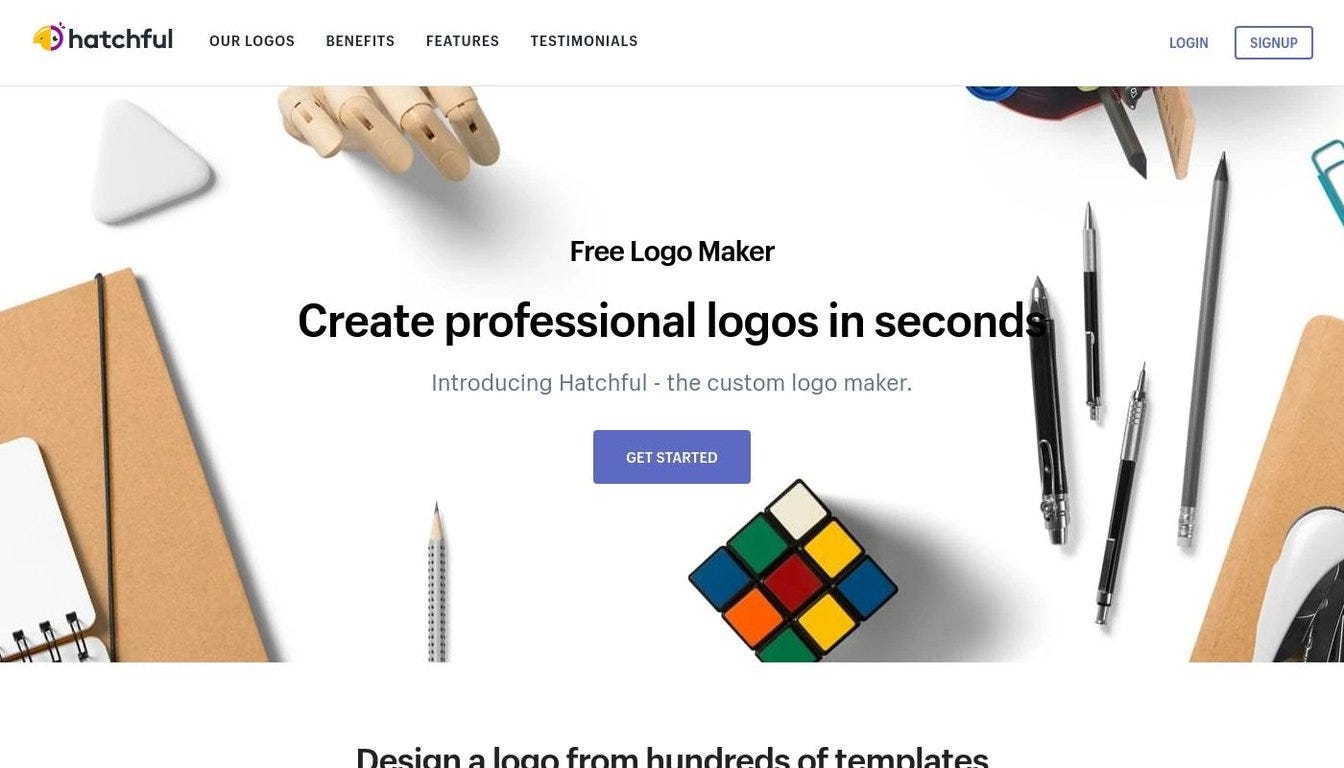
Logo maker, business name generator, invoice creator, privacy policy generator, and more.
Each solved a common problem for aspiring store owners, earning millions of users and tens of thousands of backlinks.
Their Hatchful logo generator became a top funnel source, users designing logos often turned into Shopify store founders.
By solving early-stage pain points for entrepreneurs, Shopify built massive awareness long before any sales pitch.
Ahrefs - Free SEO tools
Ahrefs used a “free sample” model. They released lightweight versions of their paid SEO tools, backlink checkers, keyword generators, and SERP analysers.

These tools attract small businesses who aren’t ready to pay yet but experience Ahrefs’ data quality firsthand.
Over time, many free users convert once they need deeper insights.
Moz - FollowerWonk & Open Site Explorer
Moz grew early by offering free, niche utilities for marketers:
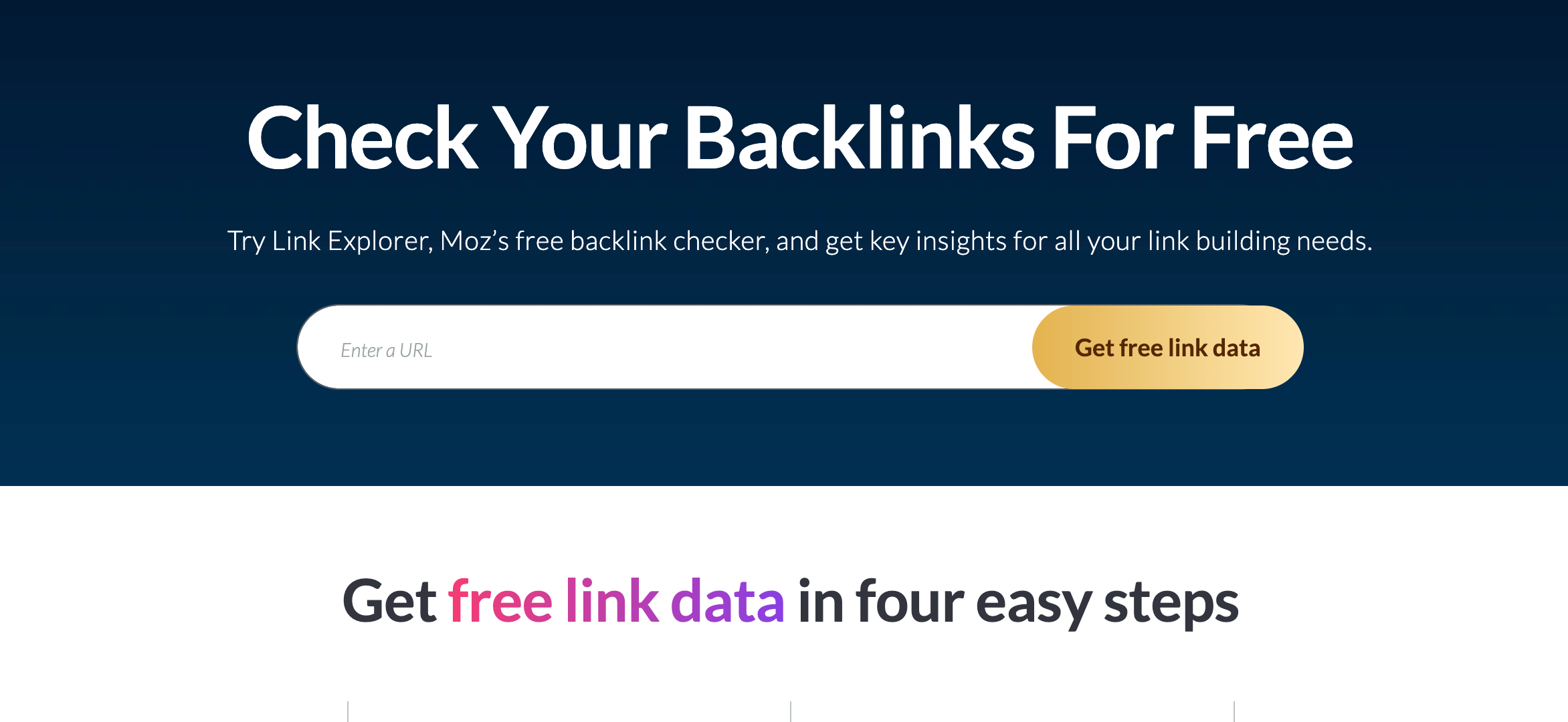
FollowerWonk analysed Twitter audiences.
Open Site Explorer helped check backlinks. Each solved a focused problem, drew Moz’s ideal users, and built backlinks from blogs and agencies that referenced the tools.
SparkLoop - Magic one-click subscribe
SparkLoop launched a tiny but powerful free tool called Magic - a one-click subscription link that newsletter writers can embed in emails.
Newsletters using Magic saw 20–50% higher signups.
It solved a real distribution pain point for creators and positioned SparkLoop as the go-to for newsletter growth. Once users’ lists grew, many naturally upgraded to SparkLoop’s paid referral system. A perfect example of a free tool that complements the core product.
B2C and consumer examples
Engineering-as-marketing isn’t just for software or SaaS products. Consumer brands have also used creative side projects, from physical products to storytelling campaigns, to capture attention and drive awareness in unconventional ways.
Airbnb - “Obama O’s” cereal campaign
In 2008, during the U.S. election, Airbnb’s founders created limited-edition cereal boxes parodying the presidential candidates: “Obama O’s” and “Cap’n McCain.”
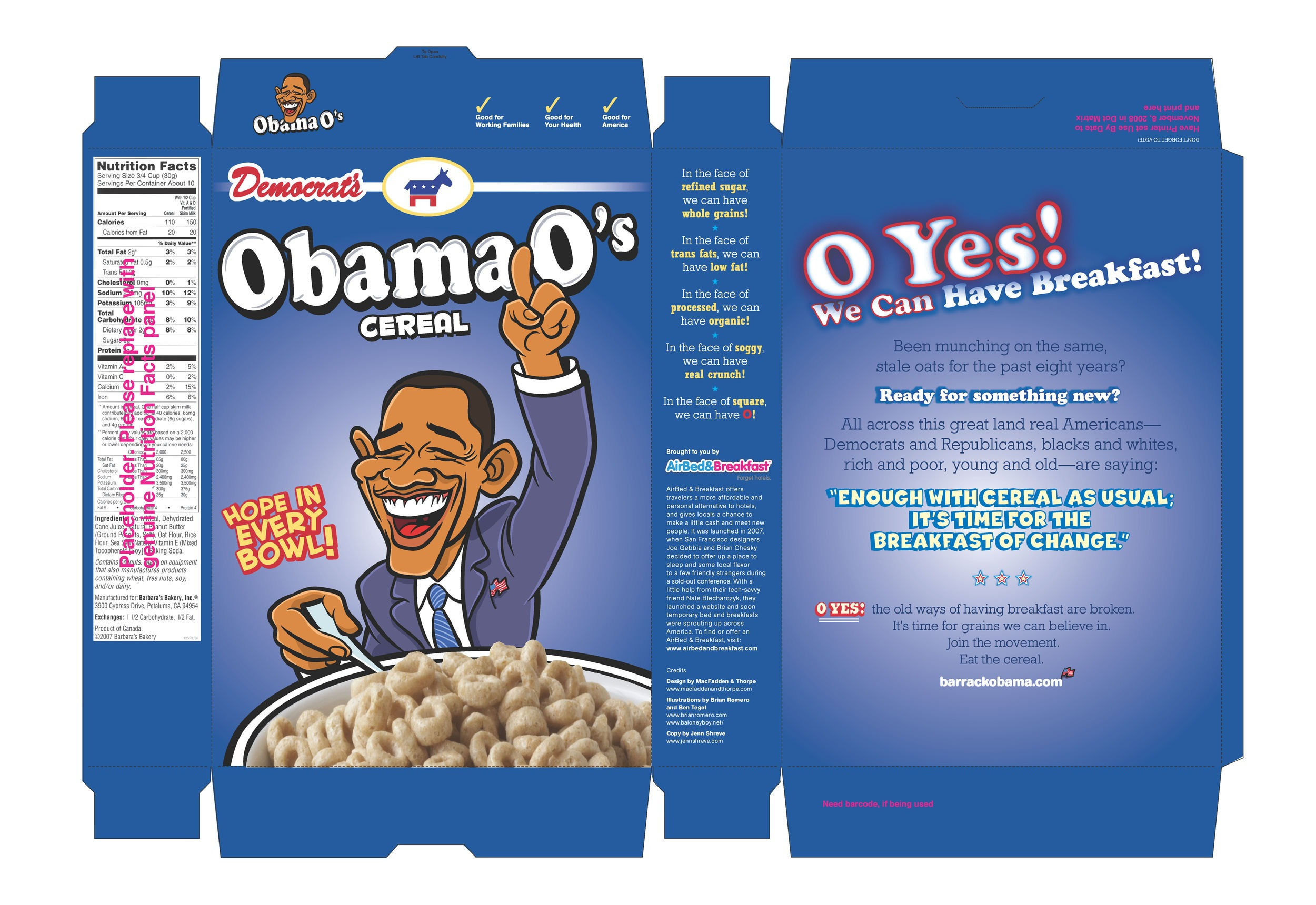
It started as a fun side project but quickly became a viral PR moment.
The team sold out 1,000 boxes in 24 hours, earning $30,000 in revenue.
More importantly, the stunt landed them national media coverage and TV appearances, putting Airbnb’s name in front of millions.
Away - Travel photo book
Away, the direct-to-consumer luggage brand, created a luxury coffee table book about travel, featuring stories and photos from 40 influencers.

They printed just 2,000 copies, sold them for $225 each, and sold out quickly.
The goal wasn’t profit, it was positioning. The book earned coverage in travel and lifestyle media, reinforcing Away’s identity as a modern, design-forward travel brand.
It also created indirect awareness for their luggage line through association with taste, inspiration, and aspirational storytelling.
Other creative consumer examples
Many consumer brands have used similar side projects to create buzz or deepen engagement.
Food and beverage companies have launched free mini-games or mobile apps tied to their products.
Fitness brands have released training tools or habit trackers that indirectly attract future customers.
The idea isn’t always to sell directly; it’s to offer something fun, useful, or culturally relevant that draws people into your ecosystem.
Whether it’s a viral PR stunt, a beautifully designed side product, or a lightweight app, the principle stays the same: give people something delightful or useful first, and they’ll remember your brand later.
How to implement an Engineering-as-Marketing strategy
Even if you’re a small startup or solo founder, you can use this strategy on a tight budget. The key is being deliberate about what you build, how you launch it, and how it connects to your business. Here’s a practical framework you can follow.
1. Generate ideas for a valuable side project
Start by identifying what kind of tool, resource, or experience would genuinely attract your ideal customers.
Study your audience’s problems: Think about what small but recurring tasks or frustrations your target users deal with. The best ideas often come from observing their workflow.
If you run an e-commerce platform, new merchants need logos and names → build a logo or name generator.
If you sell marketing software, marketers crave performance insights → build a grader or calculator.
The tool should complement your core product, not replace it. You want to highlight the problem your paid product solves, without giving the full solution away.
Look at your own content and FAQs:
Your existing blog posts or FAQs can hint at tool ideas. A popular article like “How to Calculate LTV” could easily become a Customer Lifetime Value Calculator. Likewise, explore Reddit, Quora, or niche forums where your audience hangs out. What questions are they asking repeatedly?
Each recurring question is a potential inspiration for a simple tool that answers it interactively.
Check competitors’ free tools:
See if other players in your space have launched calculators, generators, or widgets. Analyse how well they’ve performed, then find ways to improve them. If their tool is outdated or clunky, build a smoother version or add a twist. Competitor tools validate market interest, and your improved version can outperform them.
Decide between product-oriented vs. audience-oriented ideas:
Product-oriented projects connect closely to what you sell. Example: Kapwing’s free video converter naturally draws users who might upgrade to its full video editor.
Audience-oriented projects target the same people but through broader interests. Example: Shopify’s logo generator attracts entrepreneurs, not just e-commerce founders.
Both approaches work, product-oriented tools convert better; audience-oriented ones expand awareness. The best ideas solve a side problem your target users face, even before they need your product.
Filter your ideas with one question: Would this be genuinely useful to my audience even if they never buy anything from us?
If the answer is yes, and the idea is small enough to build quickly, move to the next step.
2. Build it lean (use minimal engineering)
You don’t need a big engineering team or fancy UI to make an impact. Focus on delivering value fast with the simplest possible version.
Keep it simple: The best tools do one thing exceptionally well. A clean calculator or generator can outperform a complex app. Avoid signups, long forms, or features that slow people down. A tool someone can use in seconds and immediately benefit from is more likely to spread.
Use no-code or low-code platforms:
You can now build interactive tools without touching code.
Outgrow and Calconic for calculators and quizzes.
Bubble for more advanced web apps.
Or mix free APIs and open-source scripts if you’re a bit technical.
Many founders have launched side projects in a weekend using these resources.
Time-box the build:
Set a clear deadline, one to two weeks max. This keeps you from over-polishing. Knowledge Officer, for example, built a tool to access blocked Medium articles in just two days, it went live, spread fast, and delivered results.
If you’re technical, use your agility as an edge. If not, combine simple tools, freelancers, or no-code builders. Speed is the real advantage here.
Mind the user experience:
Fast, reliable, and intuitive beats flashy design. Test enough to ensure it works as promised. Add brief instructions and error handling, but avoid forcing users to sign up.
A good principle: deliver value before asking for anything. A seamless, no-friction experience increases both trust and shareability.
Once the MVP is live and stable, shift focus from building to distribution.
3. Launch, promote, and scale
Even the best side project needs visibility. Your goal is to generate launch buzz, then sustain discovery through SEO and backlinks.
Plan a high-impact launch: Treat it like a product launch.
Post on Product Hunt, Hacker News, Reddit, or niche forums where your audience spends time.
Reach out to relevant blogs, newsletters, or micro-influencers; many are eager to feature new, useful tools.
A few days of coordinated launch effort can create a traffic spike and attract your first wave of users organically.
Design for virality: You can’t guarantee virality, but you can engineer shareability.
Add humour, surprise, or timeliness.
Let users share personalised results or badges.
Tie your tool to trending topics (like GDPR, AI, or elections).
Airbnb’s cereal boxes and Mailjet’s GDPR quiz both worked because they were timely, fun, and easy to talk about.
Optimise for SEO and long-term traffic: After launch buzz fades, search will become your most consistent source of users.
Target queries like “<topic> calculator,” “free <tool name>,” or “<problem> checker.”
Host the tool on your main domain (e.g., yoursite.com/tool) to transfer link equity.
Include descriptive copy and keywords for SEO, but keep it secondary to usability.
Link to the tool internally from blogs and your homepage.
When your tool genuinely helps users, other sites will naturally link to it, creating a compounding traffic loop.
Capture value softly: Your free tool’s goal is to help first, but don’t miss chances to guide users toward your product.
Add a relevant CTA like “Need more advanced features? Try our full platform free for 14 days.”
Offer an optional “Download full report by email” to capture leads.
Add subtle branding like “Powered by [YourCompany].” The transition from free tool to paid product should feel natural; the tool makes users realise the value your product extends.
Iterate and maintain:
Monitor how users engage. Fix bugs, add small improvements, and respond to feedback.
If a project performs well, scale it or add new ones. Many startups eventually build a suite of free tools (Shopify, Moz, and HubSpot all did).
One great, reliable tool will outperform multiple mediocre ones, so focus on quality and longevity.
To sum it up:
Find an idea that genuinely helps your audience (a few hours).
Build a minimal, working version (a few days).
Launch it like a product, optimise for SEO, and let it compound.
Engineering-as-Marketing works because it flips the playbook; instead of shouting for attention, you quietly earn it by being useful.
In a crowded market, this approach stands out because it feels human. Users get something genuinely useful. You earn trust, traffic, and credibility, all before making a pitch. That’s why engineering-as-marketing continues to work: it’s marketing that doesn’t feel like marketing.
Start small. Build something your customers would genuinely thank you for and let that goodwill compound into long-term growth.
TODAY’S RESOURCE PICK
📬 Investor outreach email sequence pack: 20+ VC-approved templates
Raising your first round and unsure what to write to investors? Stop guessing.
This pack gives you VC-approved, battle-tested email templates for every stage of fundraising outreach, written to get replies, not silence.

Inside:
Cold outreach emails that actually work
Warm intro scripts investors like responding to
Follow-ups that keep conversations moving
Post-meeting emails to maintain momentum
Real examples that led to real investments
Bonus: Monthly investor update template + fundraising CRM guide & Excel tracker, so you build relationships before you need capital.
It’s a simple, proven system to run investor outreach with clarity and confidence.
📃 QUICK DIVES
The unit economics Excel sheet template every founder should use.
Most founders talk about growth. Few can clearly show how each new customer makes or loses them money. That’s why running a unit economics model early matters; it tells you if your business will compound or collapse.

Here’s how to use the sheet I’ve shared:
1. Map your revenues
Enter your average revenue per unit (subscription, fee, or transaction).
Decide if it’s recurring (monthly/annual) or one-time.
Pro tip: if you don’t know exact numbers yet, start with estimates and refine over time.
2. Add cost of sales (COGS)
Enter costs as a % of revenue (hosting, delivery, support).
The sheet calculates your gross margin per unit automatically.
3. Plug in churn + growth assumptions
Set billing cycle (monthly = 1, annual = 12).
Add churn % (customers who drop each cycle).
Add expected annual margin growth (e.g., 5%).
The model uses these to estimate the average customer lifetime.
4. Add acquisition + retention costs
Enter your CAC (cost to acquire one customer).
Add optional retention/expansion costs if relevant.
5. Review key outputs
LTV (Lifetime Value): how much a customer is worth over their lifecycle.
LTV/CAC ratio: >3 is usually healthy.
CAC payback period: months it takes to earn back the acquisition spend.
Cumulative cash flows: show when you turn profitable per customer.
6. Stress-test scenarios
Increase churn by 30%.
Drop your AOV (average order value) by 20%.
Raise CAC by 50%.
See how fast LTV/CAC breaks. This is where most founders get surprised.
Why this matters
Investors use this as a quick sanity check.
It forces you to confront pricing, churn, and acquisition head-on.
A business with shaky unit economics will break no matter how good the growth story sounds.
Download the sheet, plug in your numbers, and run 3 scenarios: best case, expected case, worst case. You’ll instantly see whether your idea scales or needs fixing.
What founders can learn from Figma hitting $1B ARR
Figma just crossed $1 billion in ARR, growing 41% year-over-year, with over $100M in net income and 24% free cash flow margins.
While most SaaS companies are slowing down, Figma is compounding like it’s still early. Here are 5 takeaways founders should actually learn from this moment:
1. Enterprise expansion becomes your engine at scale
Figma now has 1,119 customers paying $100K+, up 16% QoQ. That small cohort likely drives 40–60% of total revenue.
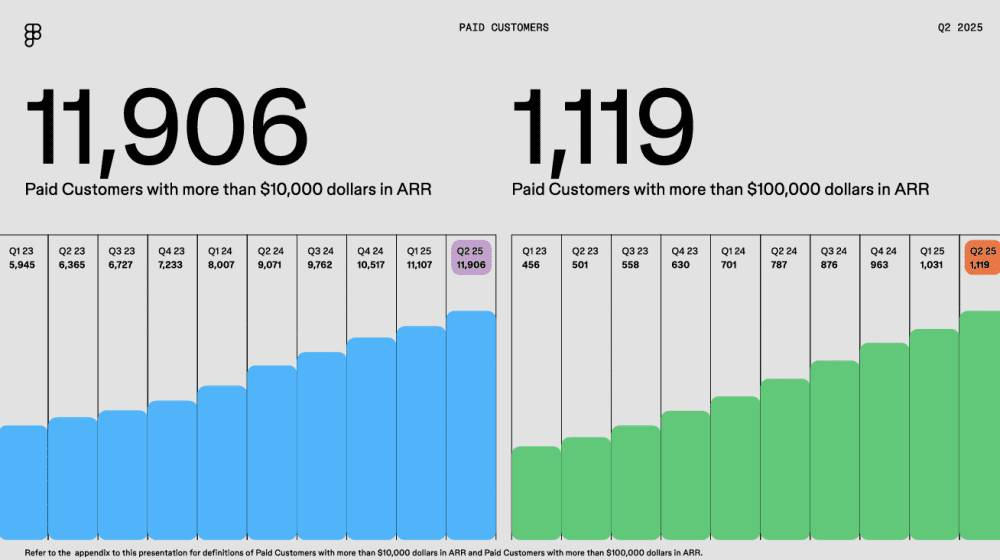
Enterprise expansion is the new growth motion once you pass $50M ARR. Track your $100K+ customers as a separate cohort early — they’ll define your long-term growth curve.
2. Retention defines greatness — not just acquisition
Figma’s 129% net dollar retention has stayed steady for six straight quarters.
That means existing customers are growing 29% annually without new logos.
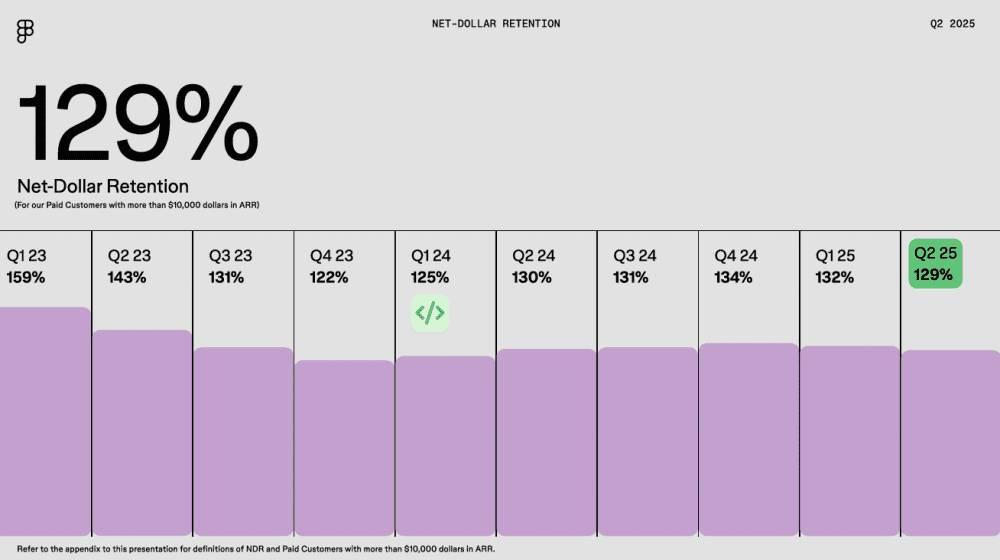
Hitting 120%+ NDR after $100M ARR puts you in elite company. Optimise for expansion before chasing new leads.
3. 40%+ growth at $1B ARR is rare
At this scale, most SaaS giants slow to 25–30% growth. Figma’s still compounding at 41%, joining a small club with Snowflake and MongoDB.
Growth this durable usually signals efficiency, not burn. It means they’ve nailed distribution, pricing, and product velocity simultaneously.
4. Mid-market is the next enterprise
Figma’s mid-tier ($10K–$100K ARR) has nearly 11K customers — the “pre-enterprise” layer.
Don’t underestimate mid-market. It’s where long-term expansion hides. Moving 20% of those accounts upmarket can add hundreds of millions in ARR.
5. Profitability while investing = mastery
Figma is still spending heavily on AI and product R&D, yet maintaining 24% free cash flow margins and a Rule of 40 score of 46.
The real game isn’t just hitting profitability — it’s balancing reinvestment and cash efficiency without losing speed.
Figma didn’t scale by chasing hype — it scaled by compounding quality, expansion, and retention.
In 2025, when many SaaS companies are struggling to grow and stay efficient, Figma is proving the best products can still do both.
If you’re building in SaaS:
Start tracking enterprise cohorts early.
Build for expansion, not replacement.
And keep your growth efficient enough to outlast hype cycles.
TODAY’S JOB OPPORTUNITIES
💼 Venture Capital & Startup Jobs
All-In-One VC Interview Preparation Guide: With a leading investor group, we have created an all-in-one VC interview preparation guide for aspiring VCs. Don’t miss this. (Access Here)
Summer Fellowship 2026 - Coastanova Venture | USA - Apply Here
Portfolio Management Intern - LVL1 Accelerator | India - Apply Here
Associate, Growth Equity - Adam Street Partner | USA - Apply Here
Venture Relations Associate - Angellist | USA - Apply Here
Due Diligence Fellow - Velocity Digital | USA - Apply Here
Investment Principal - Aramco Venture | USA - Apply Here
VC Fellowship - 1752 VC | USA - Apply Here
Executive Assistant - RET Venture | USA - Apply Here
Analyst - Griffin Gaming Partner | USA - Apply Here
VC Associate - Proglobal Search | UAE - Apply Here
Intern - Prologis Venture | USA - Apply Here
VC Graduate Internship Summer 2026 - Apply Here
Investment Summer Associate - B. Next | USA - Apply Here
Partner 20, Applied ML, Engineer, ASG - a16z | USA - Apply Here
Founder’s Associate - Fertile Soil Venture | UK - Apply Here
WHEN YOU’RE READY, HERE’S HOW I CAN HELP:
💁 You might need our help!
Reach 103,000+ Founders & Investors: Partner with our newsletter to reach a highly engaged audience.
Build Your Pitch Deck: We write, design and model your pitch deck into a storyteller book within 4-5 days.
🔴 Share Venture Curator
You currently have 0 referrals, only 5 away from receiving a 🎁 gift that includes 20 different investors’ contact database lists - Venture Curator
Revolutionary ... what a great application ! The ability to so easily harness the power of the genome for diagnosis and cures is awesome ! Maintaining encryption is key !